The Subway That Built New York
From the elevated railways to East Harlem, and the lines still on the drawing board.

The 4 and the A belong to the same subway system, but they were built for different railroads. The numbered lines still use narrower cars than the lettered lines. More than eighty years after the city brought its subway networks together, you can see the difference from the platform.
New York’s subway grew through competing companies, municipal construction and plans that ran out of money. Its next stations will include tunnels started in the 1970s. Farther west in Harlem, the MTA is considering digging a tunnel before it has the money to turn it into a working railway.
Before the subway, the El
For nineteenth-century New Yorkers, rapid transit meant looking up. Elevated railways carried trains above the avenues, close to apartment windows and over the traffic below. They moved passengers north through Manhattan, but left the streets underneath with the noise, smoke and steelwork.
The Blizzard of 1888 stopped above-ground transportation and strengthened the case for an underground alternative. Construction of the first subway began in 1900.
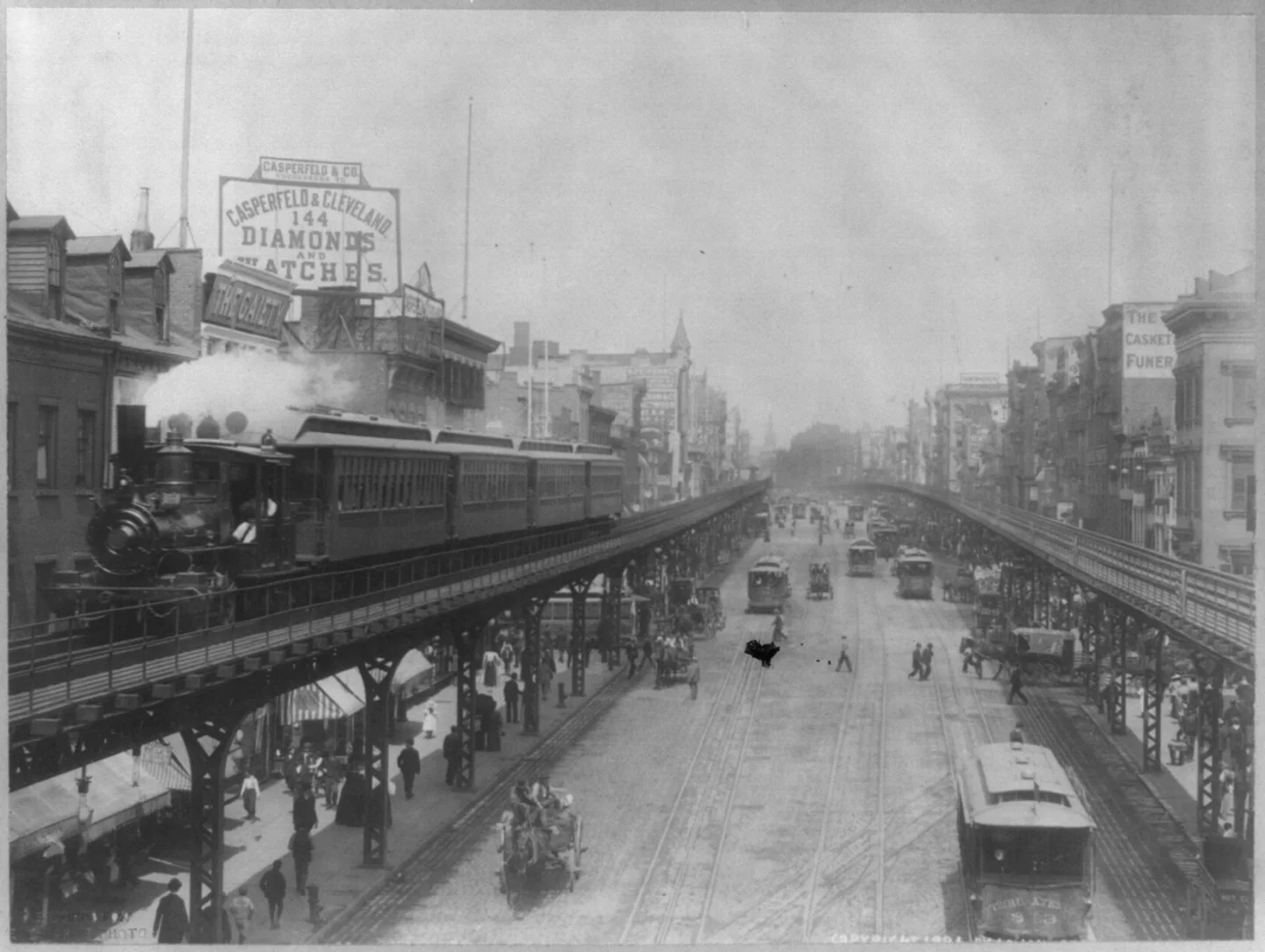
See the Bowery El and a 1973 view of Times Square station in our historic New York photo archive.
A nickel from City Hall
On October 27, 1904, the Interborough Rapid Transit Company opened a 9.1-mile subway with 28 stations. For five cents, passengers could travel from City Hall up the East Side, across 42nd Street and north along Broadway to 145th Street.
The first route crossed Midtown rather than continuing straight up Lexington Avenue. The familiar map of separate East Side and West Side services came later.
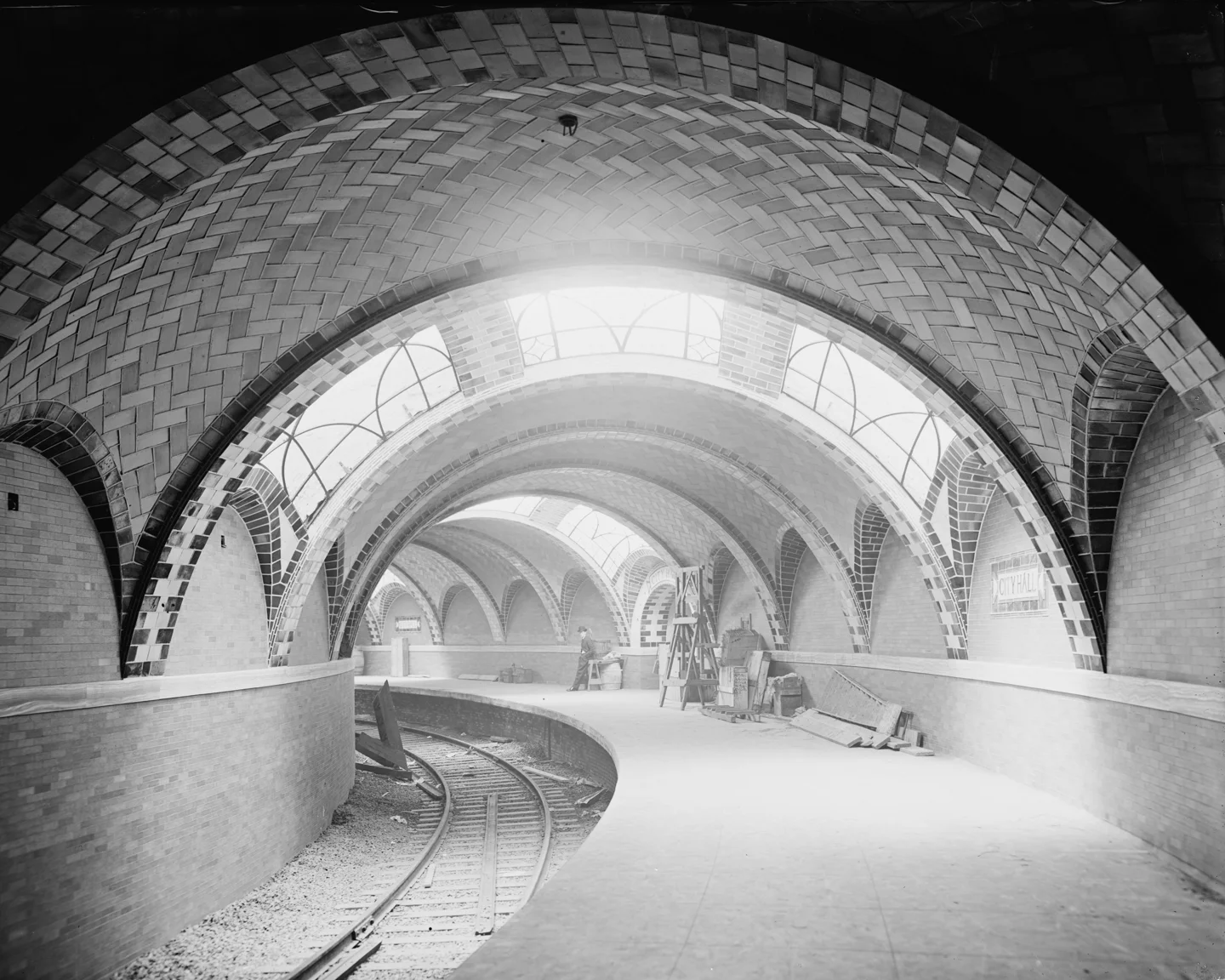
City Hall was an elaborate place to start: tiled vaults, chandeliers and leaded skylights above a sharply curved platform. It closed to passengers in 1945. The tracks still serve as a turnaround for the 6; the New York Transit Museum offers members guided visits to the old station.
Three networks, two sizes of train
The IRT expanded beyond Manhattan. The Brooklyn Rapid Transit Company, reorganized as the Brooklyn-Manhattan Transit Corporation, developed its own subway and elevated network. In 1932, the city opened the Independent Subway, or IND, beginning with the Eighth Avenue line.
The distinction wasn’t just a matter of ownership. The IRT was built for smaller cars. The BMT and IND used wider ones. Those dimensions remain the basis of the MTA’s A Division, largely the numbered lines, and B Division, the lettered lines.
In June 1940, the city acquired the BMT and IRT and brought them under the same management as the IND. Buying the companies could unify their operations; it couldn’t widen the old IRT tunnels.
Repairing what was already there
By the 1970s and early 1980s, the problems went well beyond graffiti. Breakdowns, failing signals and worn equipment made ordinary trips unreliable. New York needed to repair the railway it already had.
The MTA’s first five-year capital program arrived in 1982. It paid for new cars and infrastructure work, while overhaul programs rebuilt older trains. The Transit Museum’s account of the Redbirds describes cars stripped down and repaired over thousands of hours, then returned to service in their familiar red paint.
That recovery is easy to reduce to a before-and-after photograph. Much of it happened in maintenance shops.
The Q’s long trip up Second Avenue
Second Avenue had appeared in subway plans for decades before construction began in the 1970s. Work stopped during the city’s fiscal crisis, leaving tunnel sections without trains.
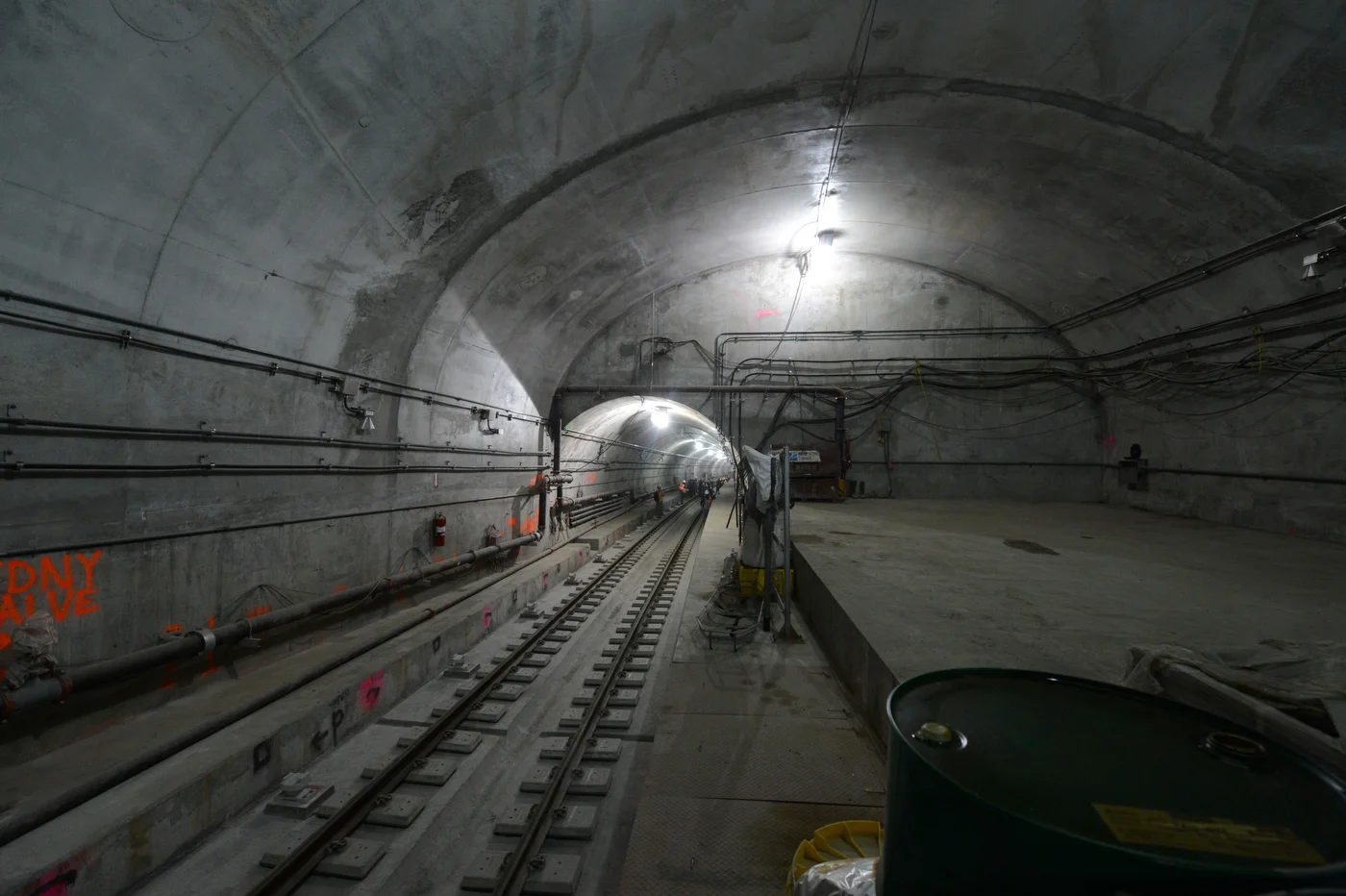

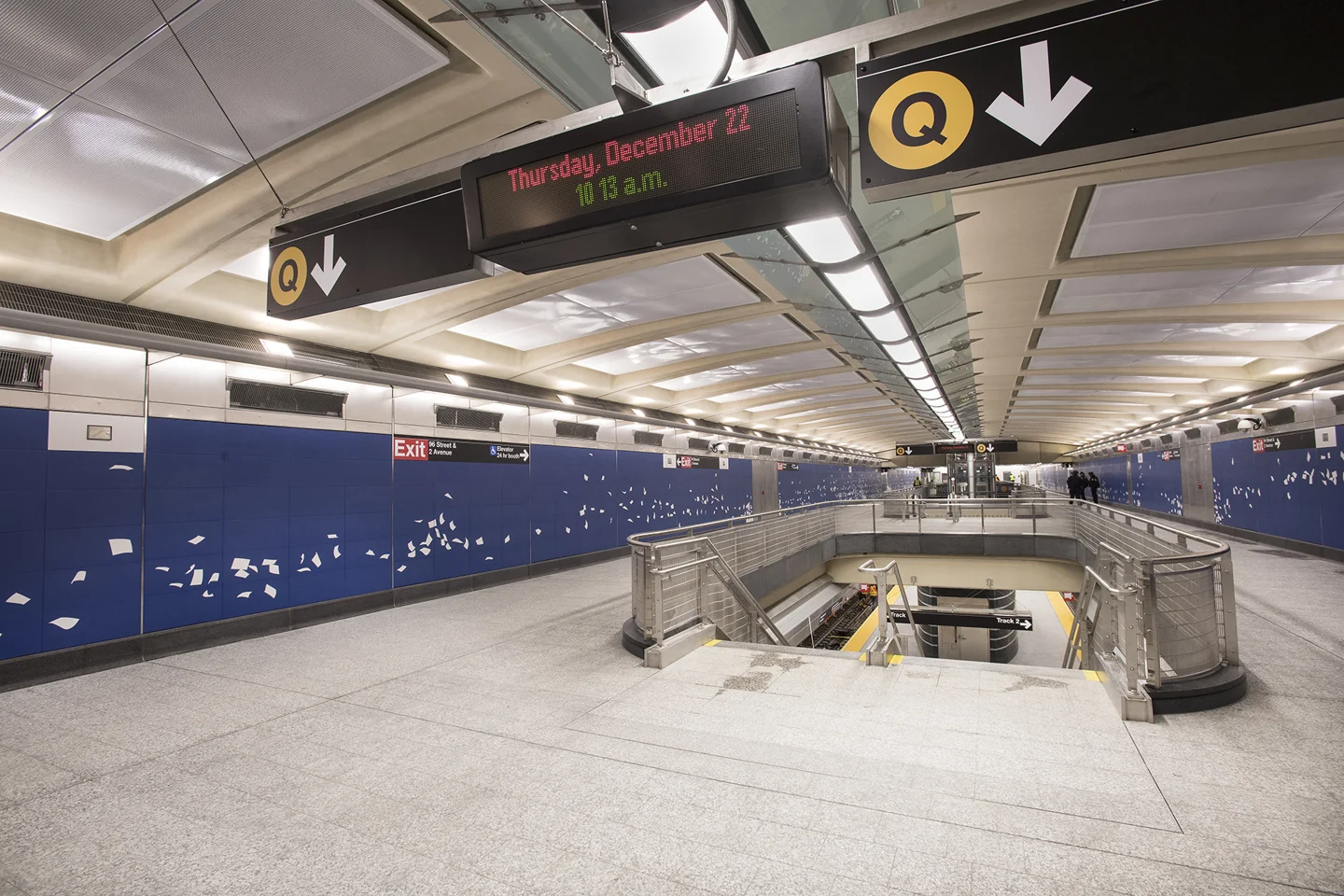
The first operating phase finally opened on January 1, 2017. The Q gained stations at 72nd, 86th and 96th Streets. Phase 2 will extend it about a mile and a half north, with stations at 106th and 116th Streets on Second Avenue, then 125th Street at Lexington Avenue.

As of November 2026, Phase 2 is under construction. The MTA has awarded three of its four main contracts. Its September announcement advanced procurement for the final package, covering station finishes, tracks and systems. The published target remains fall 2032; it is a construction schedule, not a guaranteed opening date.
At 125th Street, riders will be able to transfer to the 4, 5 and 6, with an entrance at Park Avenue providing access to Metro-North nearby. All three new stations are planned to be accessible. Portions of the tunnel built in the 1970s will be reused.
Across Harlem: a tunnel first
The proposed 125 Street Subway would continue west from Lexington Avenue toward Broadway. A completed line could add as many as three stations and connect with the 1, 2, 3, A, B, C and D.
But the project now in environmental review is narrower than that: it proposes building the tunnel, taking advantage of equipment from Phase 2. Stations, tracks and the rest of an operating railway would follow as a separate future undertaking. Funding for design and review does not mean the whole crosstown line is funded for construction.
The MTA lists this project as planning, with a draft environmental impact statement expected in winter 2027. There is no passenger-service opening date.
Brooklyn to Queens, without the Manhattan transfer
The Interborough Express would run on a different kind of route: an existing freight corridor between Brooklyn Army Terminal in Sunset Park and Jackson Heights. The proposal is light rail, with new passenger tracks alongside continuing freight service.
The current plan has 18 accessible stations, connections to 17 subway lines and a projected end-to-end trip of about 32 minutes. Design and environmental review are underway. The MTA expects design work to continue through 2027; it has not committed to an opening date.
Passenger trains used this corridor from 1876 to 1924. The IBX would bring them back, on a route useful to people whose destination is another borough rather than Midtown.
What riders will notice sooner
New lines take years. Other work changes the trip people already make: replacing signals, adding elevators, buying trains and keeping water out of stations.
The MTA’s 2025–2029 capital plan calls for at least 60 more accessible subway stations and modern signals on routes including Broadway, Nassau Street and the Liberty Avenue and Rockaway lines. These are program commitments, with individual projects on their own schedules.
For now, the Q still ends at 96th Street. North of there, crews are preparing the next stations. Some of the tunnel they will use is already fifty years old.
Sources & further reading
Project status checked November 16, 2026. Designs and schedules may change.
- The original IRT route
- City Hall station and tours
- Elevated railways, competing systems and unification
- Car dimensions and the two divisions
- Capital programs and the Redbirds
- Second Avenue Subway Phase 2
- Phase 2 schedule and tunnel reuse
- Final Phase 2 contract, September 2026
- 125 Street Subway: proposed tunnel and environmental review
- Interborough Express: current design and corridor history
- IBX schedule questions
- 2025–2029 capital plan